


Guide to Feeding Koi: What, When, and How Much
This guide covers what you can feed koi, how often you should feed them, how many pellets to give, and how feeding changes through the seasons - including when to stop feeding koi for the winter in the UK.

Article contents

Skip directly to the section that you would like to read, using the links below.

Getting feeding right is one of the biggest factors in keeping healthy, vibrant koi. Yet it's also where I see people make the most mistakes. They either underfeed, overfeed, or buy the wrong food altogether. After years of keeping koi and countless trips to Japan learning from the best breeders in the world, I can tell you that feeding isn't complicated. You just need to understand the basics and stick to them.
Choosing the right koi food
The biggest mistake I see is people spending hundreds of pounds on a beautiful koi, then trying to save money on cheap food. It makes no sense. You wouldn't put the cheapest fuel in a high-performance car.
Not all koi food is the same. There are massive differences between brands. Here's a simple test my father taught me as a kid: take some pellets in your hand and give them a good rub. Quality food feels solid with a good oil content. You'll see a powdery effect on your hand and smell that premium koi food smell straight away. Cheap food feels dry, nasty, and has a horrible stink to it.
When checking ingredients, look for fish meal at the top of the list. That's what you want. If you start seeing things like "field poultry" - that's chicken feet and turkey necks - stay well away. It's rubbish.
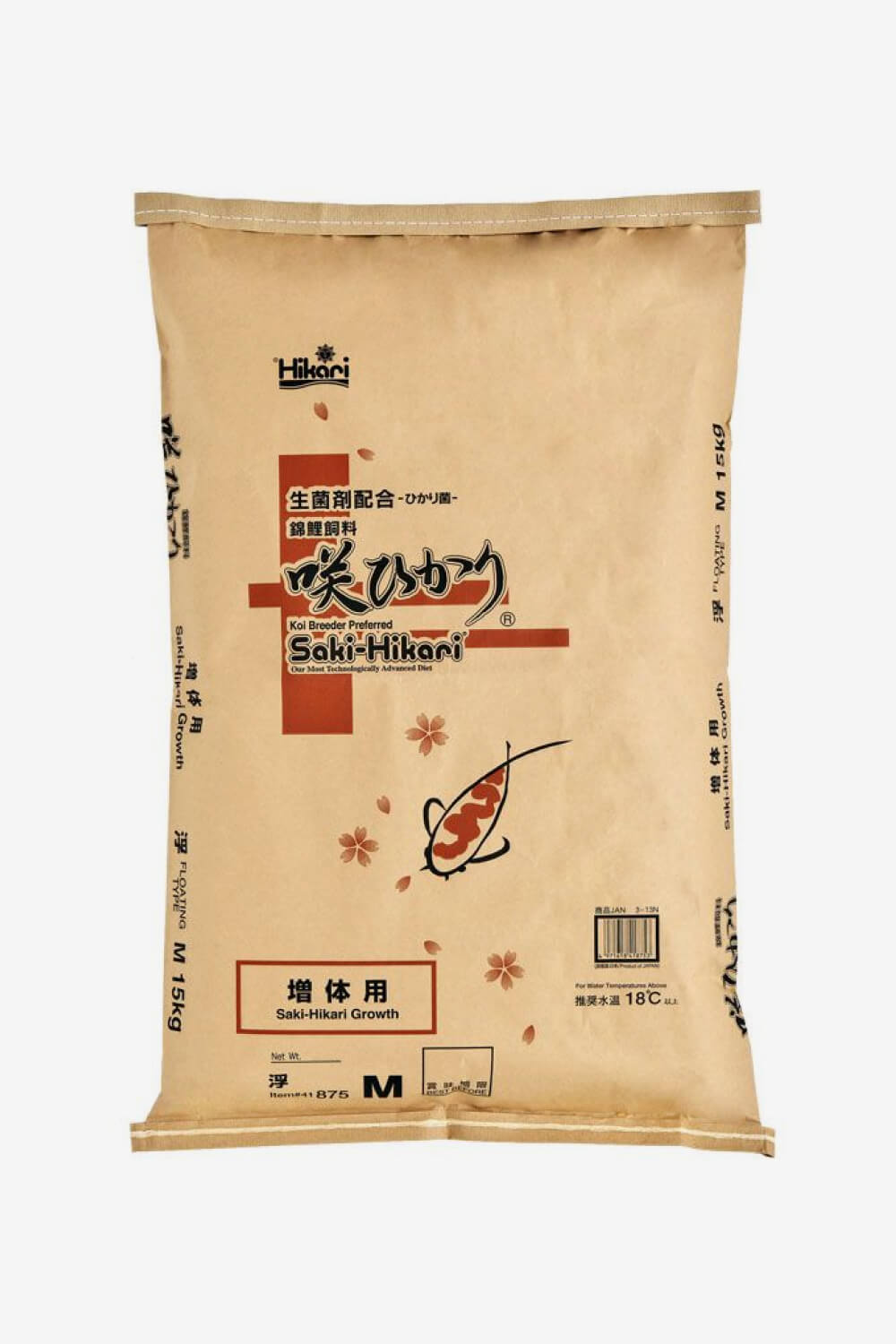
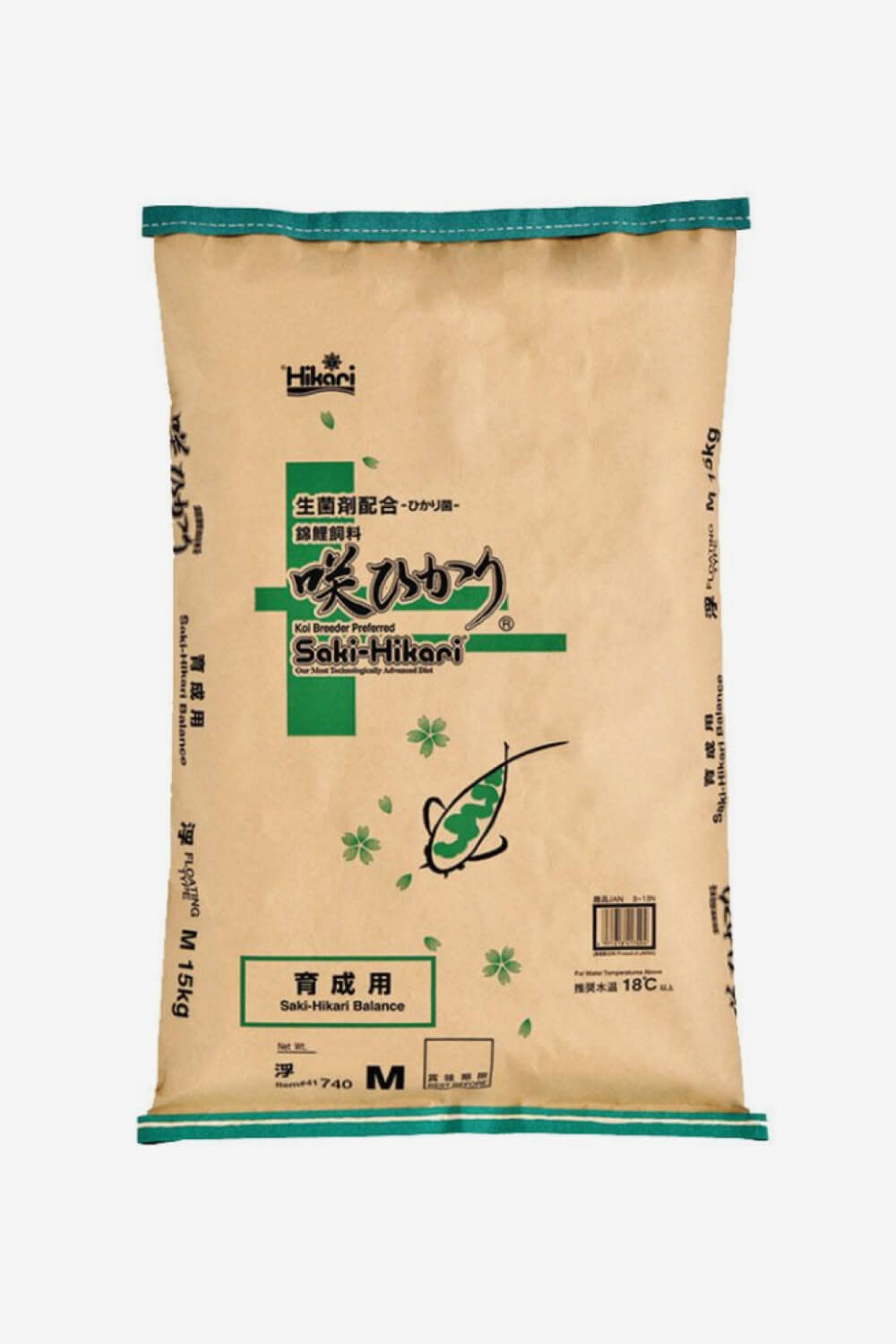
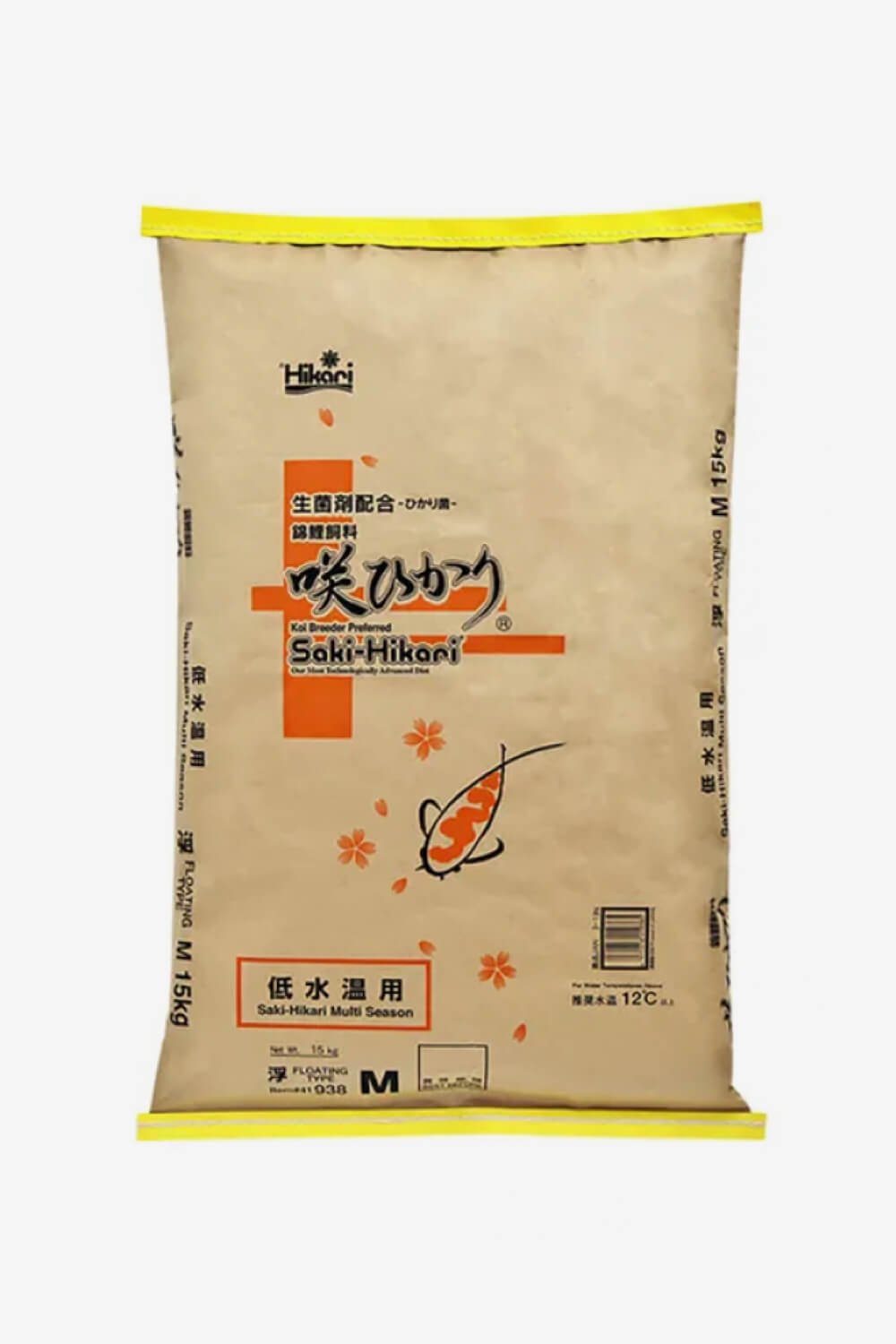
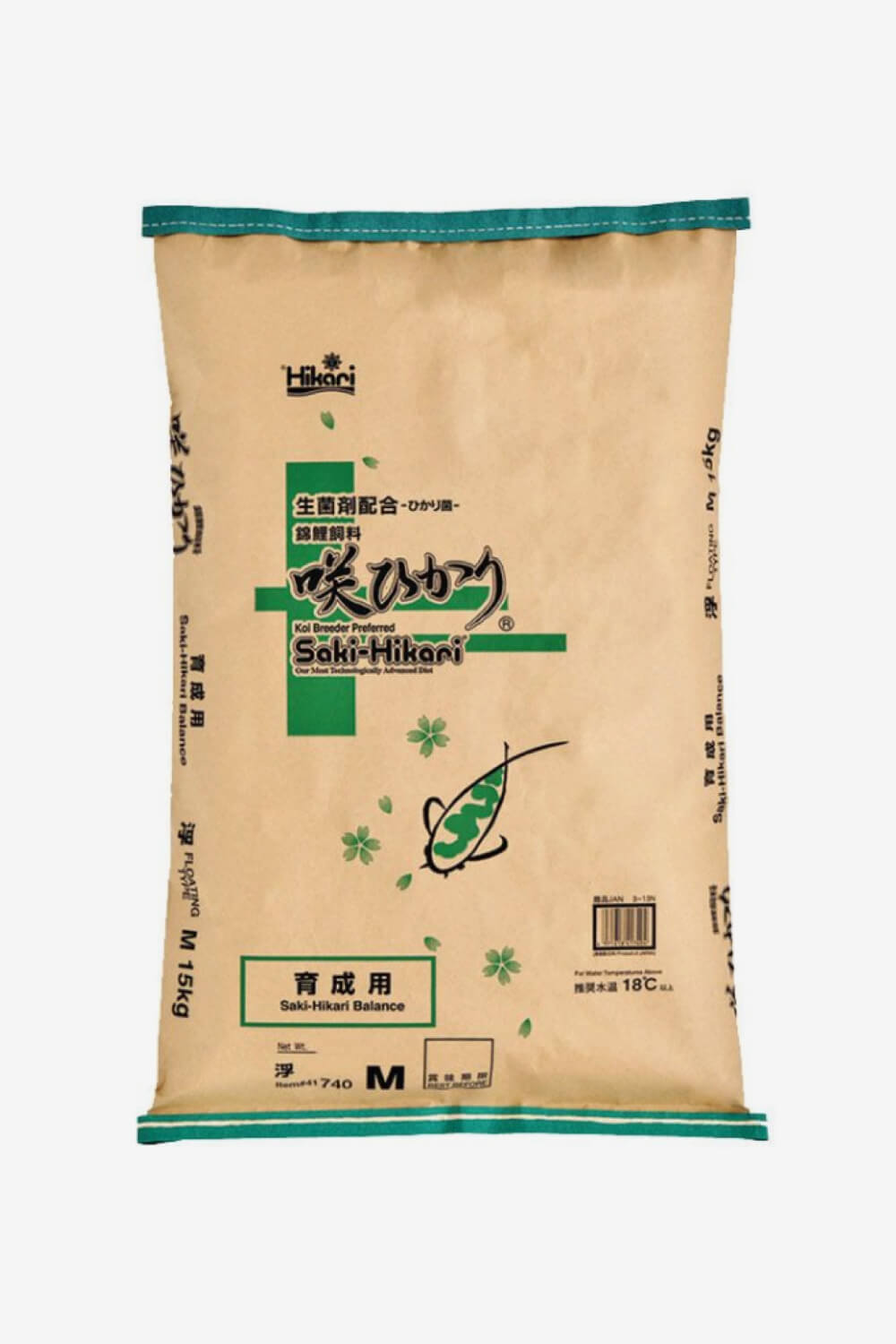
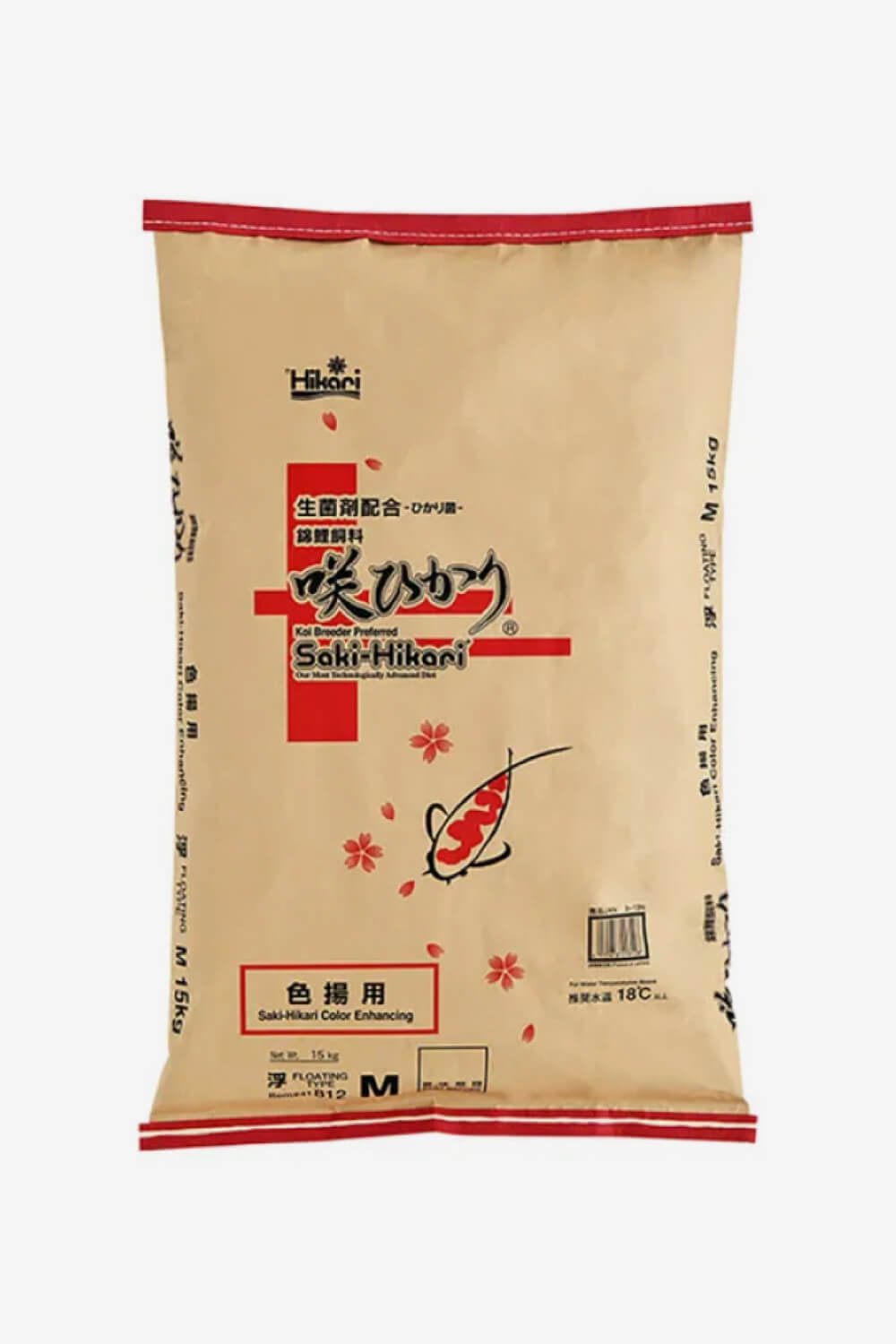
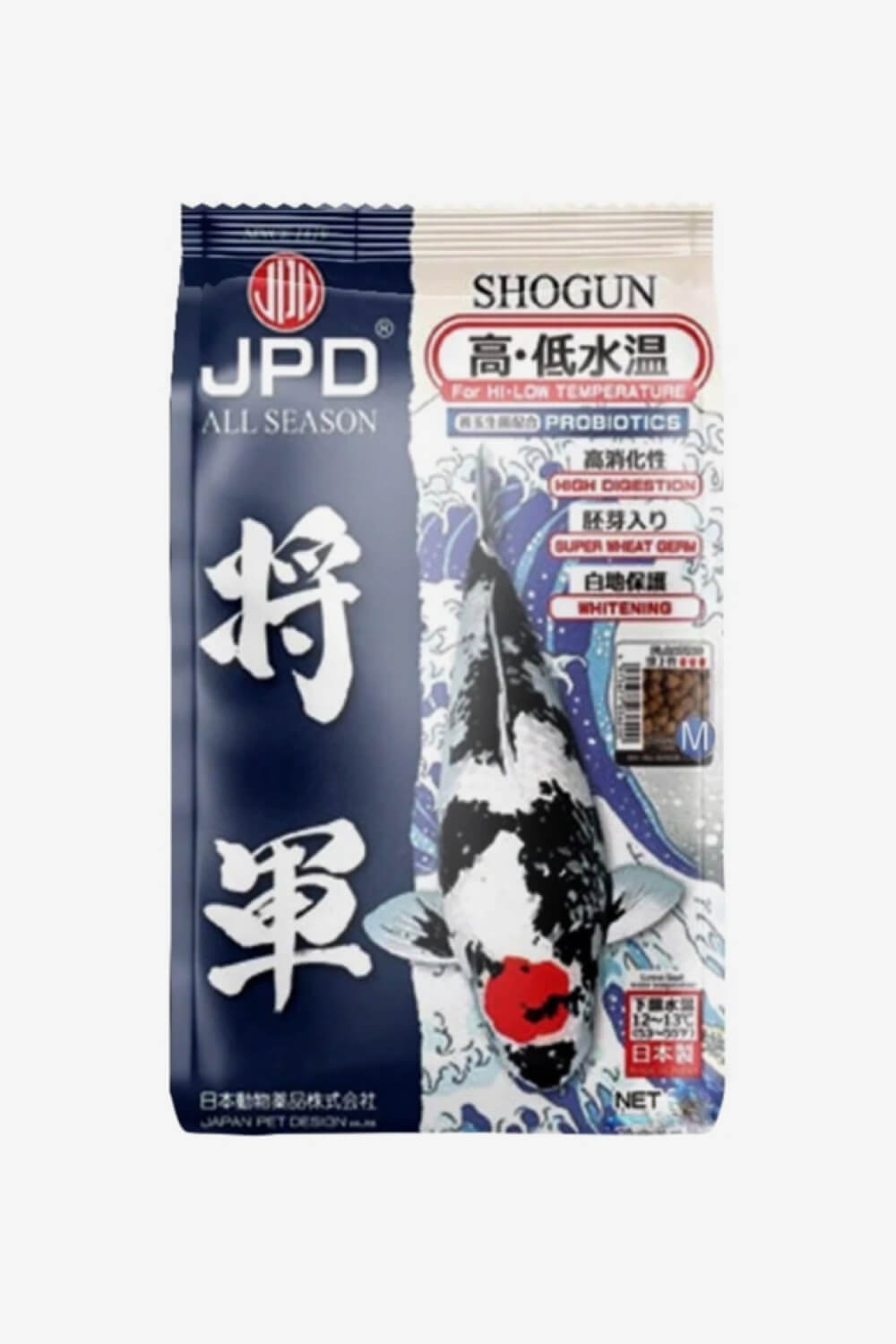
For me, Saki-Hikari is the only food I feed. I've tried plenty over the years, and nothing else comes close. The results speak for themselves. But I understand not everyone can afford premium food. JPD is a decent mid-range option if budget is tight.
What can you feed koi?
Pellets - your main diet
Pellets should make up the bulk of what you feed. For a well-balanced diet during the summer months, I recommend a 50/50 mix of growth food and colour food. The growth food is high in protein and helps build body. The colour food brings out the reds and keeps patterns looking their best.
“Never feed colour food on its own. It will destroy your fish's white colouring. The shiroji just goes completely off. Always mix it with growth food.”
One thing people get wrong with colour food: never feed it on its own. It will destroy your fish's white colouring. The shiroji just goes completely off. Always mix it with growth food.
Pellet size matters too. Smaller pellets are easier to digest, so they're better for smaller fish. I start small koi on 2-3mm pellets, then move up to 5-5.5mm as they grow. If you've got a mix of fish sizes in your pond, go for a medium pellet and let them sort it out themselves.
For bigger koi, think about sinking food as well as floating. Big fish taking lots of floating food can swallow a lot of air. That leads to swim bladder problems and buoyancy issues. I've seen fish in Japan with snapped backbones from this. Sinking pellets don't have that problem because they're denser.
Treats and extras
I get asked about treats all the time. Honestly, if you're serious about your koi, just stick to quality pellets. You don't need anything else.
But if you want to give something extra now and then, silkworm pupae are the best option. They're high in protein and fish love them. Some people feed mealworms too.
You can also give shelled peas or mussels. Make sure peas are properly shelled and mussels are thoroughly washed. Frozen ones are safer because they're less likely to be off.
What I'd avoid: anything high in fat. Brown bread is one I hear about - it's filling but fattening. If you're only feeding twice a day and want to throw in the odd treat, fine. But if you're using an auto feeder and putting a lot of food through, leave the treats out.
How often should you feed koi?
During summer, feed at least twice a day. Most people do morning and evening because of work, and that's fine.
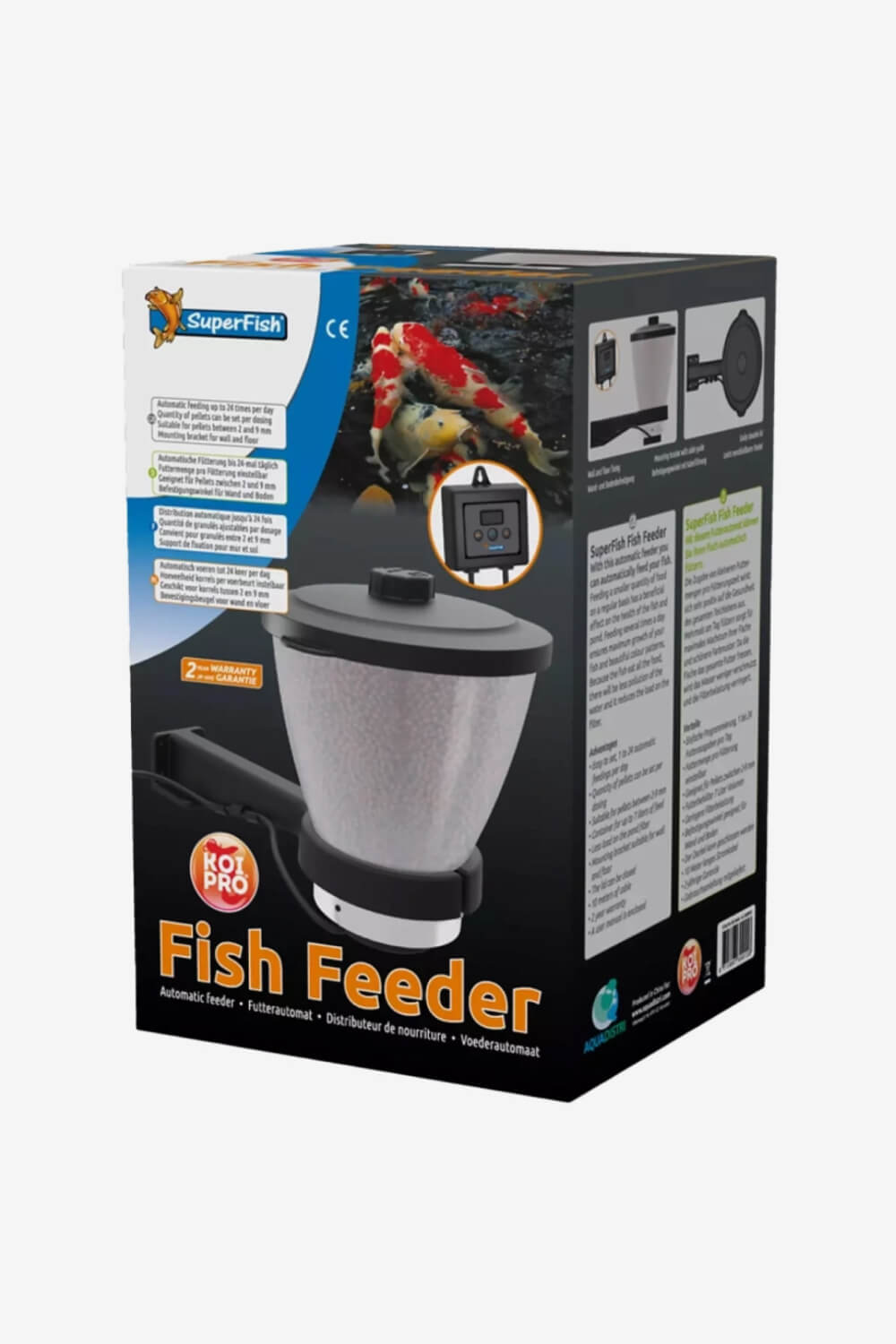
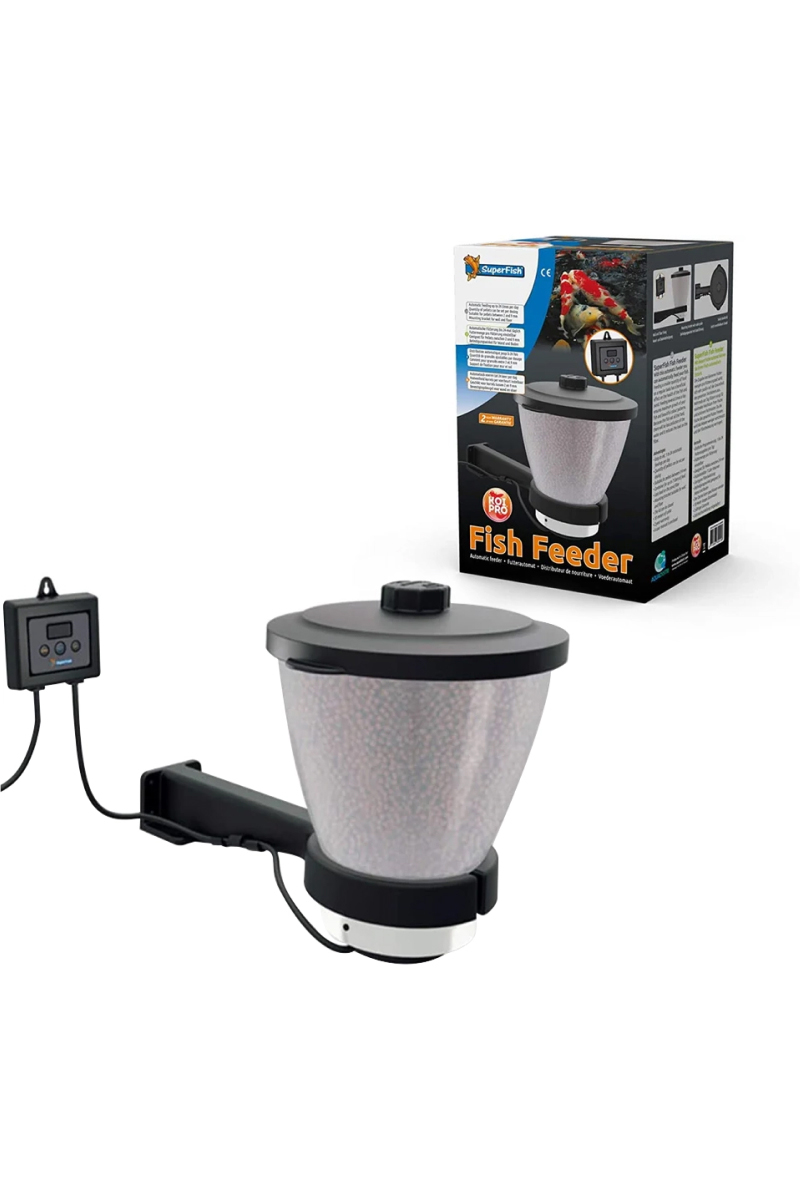
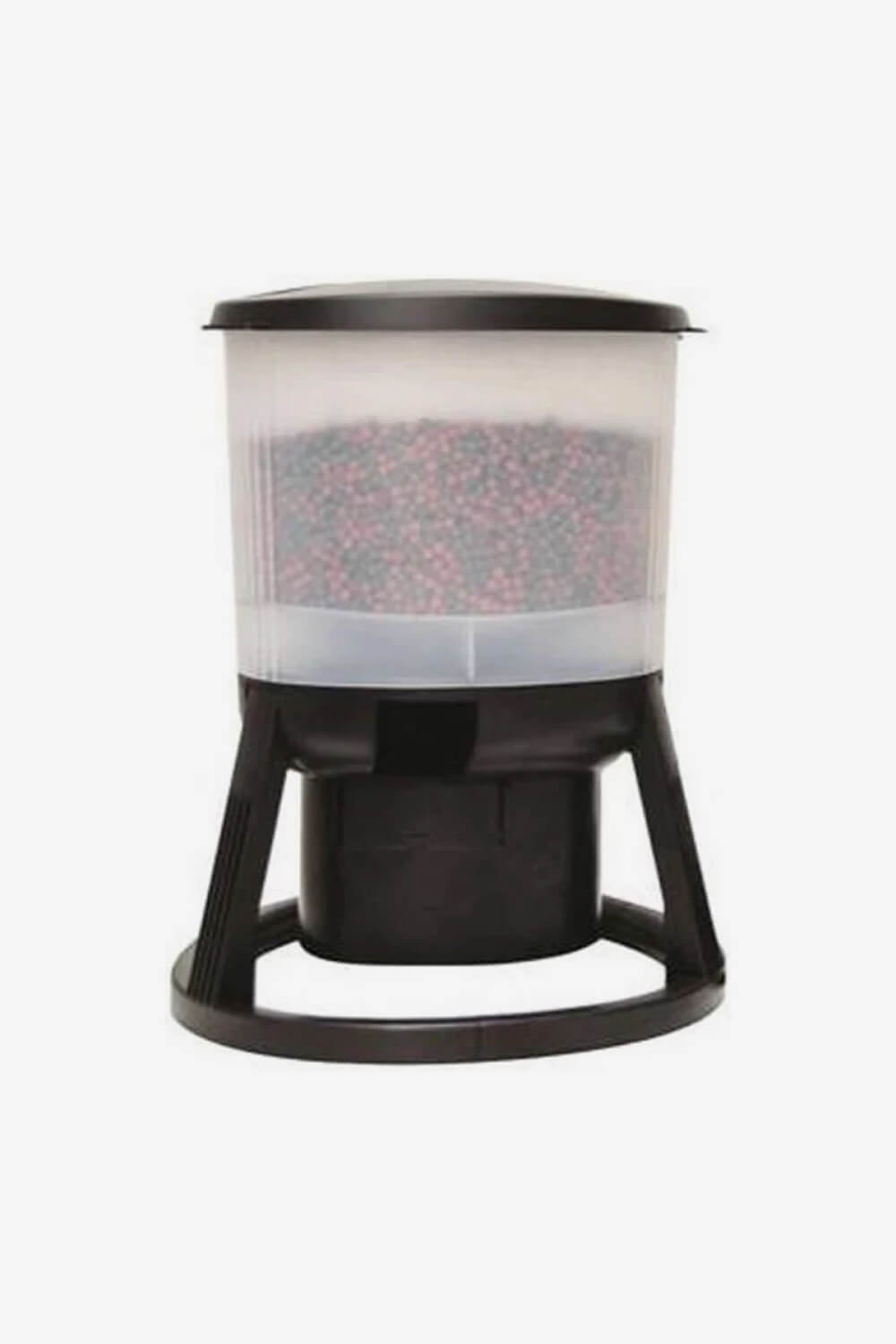
But if you want the best results, an auto feeder is the way to go. I run mine every three hours from 6am to 9pm. That's six or seven feeds a day I don't even have to think about. Three of those feeds happen when I'm not even on site.
Here's the thing about auto feeders though: you can't just plug one in and expect magic. Your fish are used to two feeds a day. Suddenly giving them six or seven is a massive change. The pond's biological system can't handle that overnight.
When you first set up an auto feeder, start with amounts similar to what you're already feeding. Then build it up slowly over weeks. Maybe 20% increase, see how the fish respond, then go again. Watch the water quality. Watch how fast they take the food. If things start going wrong, dial it back.
Little and often is the golden rule for small fish. Every two to three hours works well. Bigger fish can handle four or five feeds a day with larger amounts at each feed.
Whatever schedule you follow, keep it consistent. Fish thrive on routine. Set your times and stick to them.
How many pellets to feed koi
The amount you feed depends on several things: the number of fish, their size, water temperature, and what you're trying to achieve.
“Never leave food sitting on top of the pond. If food is floating around after five minutes, you've given too much”
The most important rule is this: never leave food sitting on top of the pond. If food is floating around after five minutes, you've given too much. That uneaten food turns to waste, crashes your water quality, and causes all sorts of problems down the line.
Start with a small amount and time how quickly they eat it. If it's gone in 30 seconds to a minute, you can give a bit more next time. If it's sitting there after five minutes, you've overdone it.
The proper Japanese method is to weigh your fish and calculate food amounts based on body weight. Big farms like Sakai keep records of every fish's weight and adjust feeding accordingly. For most hobbyists, that's overkill. But it shows you how seriously the top breeders take this.
Big fish need a lot of food just to keep their body condition. I've heard of 85-90cm fish in Japan needing 600 grams of food a day just to stay the same size. That's a lot of pellets.
If you're mixing different sized fish, it gets tricky. A 60cm fish in with some 20cm fish creates problems. The big one will dominate. Try to keep similar sizes together, or accept that you'll need to find a middle ground with pellet size and amount.
Feeding through the seasons
Summer feeding (April to October)
This is your main growing season. Push the food during these months. High protein growth food, colour food mixed in, temperatures allowing for maximum feeding. If you're unheated, make the most of summer because it's all you've got.
For growth food to work properly, water temperature needs to be around 24 degrees. You can feed it from 20-22 degrees, but you might notice the water discolouring. At proper temperature, the fish get the full benefit.
The transition periods
You can't go from full summer feeding to nothing overnight. That's too big a shock for the fish.
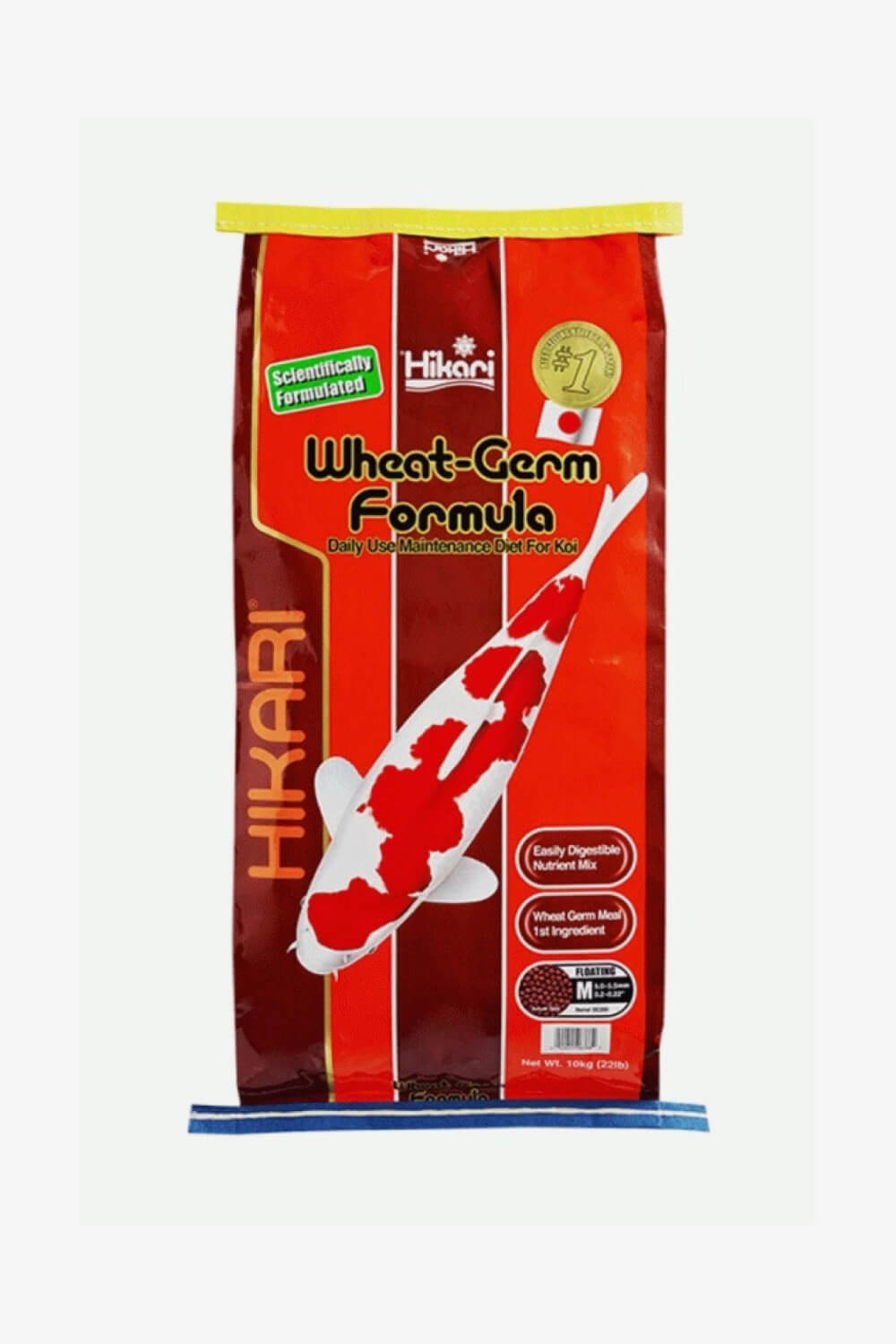
In November, start reducing. Switch to a different diet - something like a wheat germ based food or multi-season formula. These are easier to digest at lower temperatures.
Same in spring. Don't suddenly hammer them with high protein food the moment it warms up. Build back gradually.
Feeding koi in winter UK
When do you stop feeding koi for the winter? It depends on your setup.
If you're heating your pond, you can feed year-round. Most people don't do this though, and honestly, it's probably not necessary. Koi benefit from a rest period.
For unheated ponds in the UK, I'd stop feeding growth and colour food by the end of October. Through November, use a maintenance food at lower amounts. Then when temperatures drop properly - below about 12-14 degrees - you can stop altogether.
The fish won't starve. Their metabolism slows right down in cold water. They don't need food, and they won't process it properly anyway.
What happens if you keep feeding when it's too cold? The fish just won't touch it. You'll see food sitting on top of the water going nowhere. That's your sign to stop. If they're not eating, don't give them anything to not eat.
Come April, when temperatures start climbing again, gradually bring the feeding back. Start light, build up, and by the time summer hits you're back to full capacity.
The dangers of overfeeding
People always ask me: can you overfeed a koi? Yes. Absolutely.
The first sign is food sitting on top of the water uneaten. In a drum filter pond you might not notice as much because the water movement takes it away. But in a pond with manual filtration, you'll see it clearly.
Overfeeding causes water quality problems first. That uneaten food rots, your biological filtration gets overwhelmed, and suddenly you've got ammonia spikes, pH crashes, the lot. I've seen it happen here when auto feeders have gone wrong. Once a battery died and emptied the entire feeder into a pond overnight. I came in the next morning to absolute disaster. Food had turned to mulch at the bottom. Had to do massive water changes to pull it back.
The fish themselves show signs too. They'll hang in the water looking unhappy. They go completely off food. Their gills start looking burned out - a grey-white colour instead of healthy red. Get to this stage and you've got problems.
If you catch it early, you can fix it. Water changes, stop feeding, let things settle. But prevention is better. Pay attention to how fast food is going. If it's not disappearing quickly, cut back.
Feeding for growth
Want to grow your koi on? Here's what works.
First, genetics matter massively. Fish from top farms like Sakai, Dainichi, or Momotaro will grow faster than average stock. Single-coloured koi from these breeders can hit a centimetre a week with proper feeding. That's realistic growth when you get everything right.
For maximum growth, you need high protein food, warm temperatures, and consistent feeding. Six to eight times a day on an auto feeder if you're heating and really pushing it.
“Pushing too hard has downsides. Longevity drops when you grow fish too fast.”
But here's the thing: pushing too hard has downsides. Longevity drops when you grow fish too fast. Those two or three year old fish you see in Japan at 80-90cm? They often don't live as long as slower-grown koi.
I prefer to raise fish steadily. Get them to a nice body shape, good skin condition, proper quality. If you push too hard, the first thing to go is colour. Fish just fade.
In Japan, top breeders track everything. They weigh fish, calculate daily food increases, move fish between ponds based on growth targets. Some farms increase feeding by over 1% of the pond's body weight every single day. That's serious, and they still run into problems if fish don't take the food.
Feeding for colour
Colour food works, but only when you use it properly.
As I said earlier, never feed colour food alone. Always mix with growth food - 50/50 is my recommendation. More colour food than that risks ruining your whites.
You need consistent feeding over time to see results. Don't expect to throw one bag at a fish and see transformation. It takes steady feeding over weeks and months.
Water quality and pond conditions affect colour as much as food does. A fish in dirty water won't show good colour no matter what you feed it. Get the environment right first, then the food can do its job.
When fish come from Japan, they sometimes have discolouration from the mud ponds. You don't fix that with food. Better environment does the work - clean water, good conditions. The colour comes back on its own, helped along by proper feeding.
One more thing: if you see a food claiming to be great for both growth AND colour enhancement, be sceptical. You can't do both in one product. It's like finding a shampoo and conditioner that actually works as well as using both separately. Doesn't exist.
Related koi food products
Practical tips from experience
Buy quality food. This is the single most important thing. Give your koi what they deserve.
Keep it simple. Don't overcomplicate it. Quality pellets, right amounts, consistent times. That's the formula.
Don't mix cheap food with good food. I see this all the time. People have half a bag of old rubbish and mix it with their Saki-Hikari thinking the fish won't notice. They notice. Koi are clever. They'll eat the good stuff and leave the cheap food floating on top staring at you.
Watch your fish. Every feed, when you can, observe them eating. Are they taking food quickly? Are body shapes developing well? Does the water look good? You learn more from watching than from any feeding chart.
Respond to what you see. If fish aren't eating, stop feeding. If water quality drops, ease off. If everything's going well and you want to push growth, increase gradually. Let the fish and the pond tell you what's working.
Fresh water matters. Even mud ponds in Japan with no filtration need fresh rainwater to reinvigorate the fish. In a garden pond, regular water changes help keep fish eating well and growing.
The bottom line
Feeding koi isn't complicated when you understand the basics. Buy quality food. Feed little and often. Watch how fast they eat and adjust accordingly. Change your approach through the seasons. Never leave food rotting in the pond.
Get these fundamentals right and your koi will thrive. They'll grow well, show good colour, and stay healthy for years. That's what it's all about.

The 5-minute rule: How much should you feed your koi?
If you feed your koi until the food is gone, you're doing it wrong. The 5-minute rule keeps your water clean, your koi healthy, and your filter from working overtime.